Water Pressure Diagnosis checks residential supply readings, fixtures, and pressure equipment. Testing and access affect the scope; call for a job-specific estimate.
Why Hot Water Pressure Drops Before Cold Water
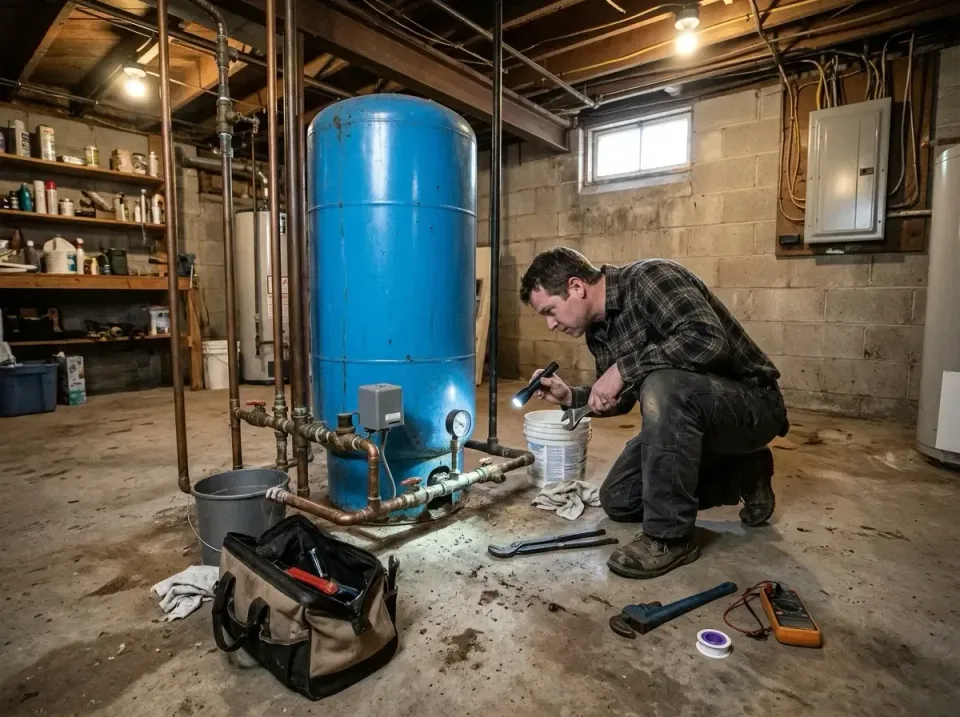
Why Does Hot Water Pressure Drop First?
Hot water that runs weak while cold water stays strong often points to a restriction on the hot side. Mineral buildup, a partly closed valve, or a problem near the water heater can narrow that path; the exact cause depends on whether one fixture or the whole home is affected. Static water pressure is the reading when no fixture is running, so a normal resting reading does not rule out trouble under flow.
Don’t guess at parts. Idaho Plumbing Pros checks the pattern before recommending a repair.
Near Downtown Boise, cold winters also make exposed plumbing a freeze concern, so look for vulnerable lines as well as indoor symptoms.
Why Does Hot Water Pressure Drop Before Cold?
When hot flow weakens first, the restriction is often somewhere along the hot-water route rather than at the incoming supply. A clogged heater connection, a valve that is not fully open, or mineral scale inside a pipe can all reduce the amount of water reaching a tap. The water heater itself may still heat normally.
The useful distinction is whether the symptom affects one faucet or several. If only one fixture is affected, its aerator or mixing valve may be the problem.
If hot flow is weak at multiple fixtures but cold flow is normal, the heater outlet and hot-water piping deserve attention. Boise’s semi-arid conditions can make small leaks harder to spot as exposed water evaporates, so check for dampness, corrosion, or unexplained changes around accessible lines.
Does the Symptom Change While Water Runs?
A pressure tank stores well water under pressure; a fault in the tank or its connected equipment can show up as inconsistent flow around the home. That is more likely to affect hot and cold water alike, so don’t assume the tank explains a hot-only symptom without testing. Confirm whether the property uses municipal water or a private well before anyone diagnoses the pressure system.
Dynamic water pressure means pressure measured while a fixture is running. That reading can reveal a restriction that a resting measurement misses.
Our crew compares conditions at more than one fixture and traces the hot side before suggesting equipment replacement. If the shower upstairs is also weak, read why an upstairs shower can lose pressure to compare that separate pattern.
When Is a Booster Pump the Likely Answer?
A booster pump raises residential water pressure when the supply is insufficient, but adding one will not clear a blocked hot-water pipe or repair a faulty heater connection. A pump is worth investigating when both hot and cold flow are weak across the home, not simply because one hot tap runs slowly. Unneeded equipment can add cost without solving the actual restriction.
If pressure falls whenever several taps run, note which fixtures are open and whether both temperature settings are affected. That simple observation gives a plumber a better starting point.
At Idaho Plumbing Pros, Nathan Caldwell’s crew has spent 11+ years tracing Idaho flow problems to their source instead of swapping parts by guesswork. A water pressure diagnosis can help separate a supply issue from a hot-side blockage.
What Can You Check Before Calling a Plumber?
Start with simple, visible checks. Make sure accessible shutoff valves near the heater have not been partly closed, and clean a removable faucet aerator if only that fixture is affected. Stop if a valve is corroded, stuck, or begins leaking; forcing old plumbing can turn a low-flow complaint into a repair.
A homeowner can compare hot and cold flow at nearby fixtures and write down where the change occurs. Leave heater connections, pressurized equipment, and concealed piping to a qualified plumber. Heavy mountain snowfall can delay access to some Idaho properties, so sharing your water source, affected fixtures, and any leak signs when scheduling helps our crew plan the visit and bring appropriate diagnostic tools.
Which Pressure Check Fits Weak Hot Flow?
Hot and cold pressure testing helps show whether the problem follows the hot side or affects the whole supply; the right next step depends on what those readings reveal. A pressure regulator controls incoming pressure, so it is not the first suspect when cold flow remains normal and only hot flow is poor. In Boise, exposed plumbing also deserves a visual check after freeze-thaw cycles, which can stress outdoor water lines.
| Option | Best for | Key detail |
|---|---|---|
| Hot-side inspection | Weak hot flow at several fixtures | Checks heater connections and hot piping |
| Regulator inspection | Supply pressure problems across hot and cold | Setting is often 50–60 PSI |
| Fixture check | One faucet or shower affected | Compare hot and cold at that fixture |
| Pressure testing | Unclear or changing symptoms | Common household range is 40–80 PSI |
A plumber can inspect and adjust a regulator when testing points to it; adjustment alone will not clear a hot-side obstruction.
How Can You Prepare for a Hot-Flow Check?
A few details help pinpoint why hot flow fades first. Keep the checks simple; do not open pressurized equipment or take apart heater connections. Spring snowmelt can saturate yards and utility trenches, so mention any outdoor damp spots along with indoor symptoms.
-
Map the symptoms: Note which faucets have weak hot flow and whether cold flow at those same fixtures seems normal.
-
Identify the water source: Tell the plumber whether the home uses city water or a private well so the pressure system can be assessed appropriately.
-
Check safe, visible valves: Look for an accessible valve that appears partly closed, but do not force one that is stuck or corroded.
-
Make access clear: Move stored items away from the water heater and any accessible plumbing connections.
-
Record changes: Write down when the problem began and whether it shifts when another tap runs.
A home water pressure test should compare conditions at more than one fixture, not rely on a single faucet impression.
Common Questions About Low Water Pressure Repair in Idaho
What If Hot Water Pressure Drops Only After the Heater Runs?
If hot flow weakens after the heater runs, note whether it happens at one fixture or several, because that pattern helps distinguish a fixture issue from a restriction near the heater. Water hammer, a banging sound as a valve closes, is worth mentioning during a water pressure diagnosis because it can point to a separate piping concern.
How Much Does It Cost to Diagnose Hot Water Pressure That Drops First?
Pressure diagnosis is typically $75–$200, with testing and access affecting the charge; a regulator repair, if testing identifies that fault, is commonly $150–$500 for parts and labor. Final quotes vary by scope, parts, access, and site conditions.
Can I Fix Weak Hot Water Pressure Myself, OR Should I Call a Plumber?
You can clean a removable faucet aerator or check an accessible valve, but call a plumber if several hot taps are affected, a connection leaks, or the cause is not visible. Idaho Plumbing Pros can compare the symptoms and inspect the hot-water route before recommending a repair.
Do Idaho Permits Apply to Repairs for Weak Hot Water Pressure?
Permit requirements depend on the work and local authority; confirm applicable Idaho plumbing permit rules before regulated alterations. Idaho Plumbing Code requirements should be checked against the locally adopted edition, and Boise plumbing permits may apply to regulated work.
Could a Clogged Filter Cause Hot Water Pressure to Drop Before Cold?
Yes, a clogged filter can reduce flow if it sits on the affected water path, but a filter serving the whole home would usually be considered alongside other supply symptoms. If hot flow alone is weak, ask about hot-side restrictions first; whole-house water pressure repair is a better fit when multiple fixtures and temperatures are affected.
Get Help Tracing Weak Hot Water Flow
When hot flow drops before cold, the hot-water route deserves a closer look but a whole-home supply problem can mimic it. Record which fixtures are affected and whether the symptom changes while water runs.
A pressure reading taken with a hose-thread gauge can help establish what the system is doing, while the fixture pattern helps locate the cause. Don’t adjust well equipment with power on; tank precharge checks require the pump power to be off.
Cold winters increase freeze risk for exposed plumbing, so mention any vulnerable lines when you arrange service. For low water pressure repair in Idaho, contact Idaho Plumbing Pros or ask our crew about a water pressure diagnosis.
Whole-house pressure loss service traces weak flow across a home and checks accessible supply piping. Scope and access shape the repair quote.
Low Faucet Pressure Repair checks faucet flow and accessible fixture parts; typical repair costs depend on the faucet model, replacement parts, and access.
Weak hot water pressure service for homes with restricted hot-side flow; repair scope and cost depend on parts, pipe access, and the source of the restriction.
We repair residential well pump pressure problems, checking pump operation and pressure controls; typical repairs run $200–$900 depending on pump condition and parts.
We repair residential booster pumps, checking pump condition and parts; jobs typically run $200–$900, depending on the pump. We serve homes near Downtown Moscow, Downtown Sandpoint, and Lake Coeur d'Alene.
We trace weak cold-water flow for homeowners, checking fixture connections and accessible supply piping; a diagnostic visit typically runs $75–$200, depending on testing and access.
We inspect and repair residential pressure tanks, including accessible well-system connections; typical repairs run $250–$900, depending on tank condition and access.
We trace abrupt pressure drops and repair accessible pipe or system failures; localized leak work commonly runs $150–$800, depending on pipe material and access.
We repair residential pressure-reducing valves, including accessible brass assemblies; regulator work typically runs $150–$500, depending on parts and labor.
Corroded pipe pressure repair addresses rust-thinned or narrowed residential piping, with scope and access shaping typical $300–$2,000 jobs.
Low Shower Pressure Repair checks shower valves and supply flow; typical repairs run $150–$500, depending on parts and access.
We repair well pressure switches for homeowners, checking switch contacts and wiring access; typical replacement runs $150–$400, depending on parts and access.
We repair water softeners restricting household flow, checking valves, resin tanks, and connections; access and component condition shape the scope for Idaho homes.
We clear accessible clogged water lines for Idaho homes; pipe material and access shape the quote. Boise’s semi-arid setting, the Salmon River region, and Bear Lake State Park mark varied local service conditions.
Filter pressure loss repair covers sediment-loaded cartridges and housings for Idaho homes; typical repairs run $100–$500, driven by filter type and access.
We remove or clean accessible faucet and shower flow restrictors for homeowners and property managers; fixture design and access shape the work and quote.
Grundfos Booster Pump Repair in Idaho: inspect pump operation, repair worn components, and review system fit. Call (877) 773-0781 to discuss scope.
Goulds booster pump repairs cover motor, control, and pump issues; typical repair runs $200–$900, depending on pump condition and parts.
We repair buried main water lines for Idaho homeowners and property managers, including accessible pipe sections; typical repairs run $500–$2,500, depending on excavation access and pipe material.
Cities & Towns
Service Areas in Boise
Select a city to find local low water pressure repair providers we cover in Boise.
Kuna, ID83634Dalton Gardens, ID83815Iona, ID83401Star, ID83669Hayden, ID83835Lincoln, ID83401Eagle, ID83616Fruitland, ID83619McCall, ID83638Buhl, ID83316Homedale, ID83628Bonners Ferry, ID83805Coeur d'Alene, ID83815Idaho Falls, ID83404Montpelier, ID83254Hailey, ID83333Heyburn, ID83336Aberdeen, ID83210Rathdrum, ID83858Driggs, ID83422Soda Springs, ID83276Jerome, ID83338Middleton, ID83644Wendell, ID83355
Show all 68 cities
Mountain Home, ID83647Hidden Springs, ID83714Rupert, ID83350Weiser, ID83672Rexburg, ID83460Shelley, ID83274Orofino, ID83544Salmon, ID83467Gooding, ID83330Sandpoint, ID83864Spirit Lake, ID83869Moscow, ID83844Filer, ID83328Garden City, ID83714Nampa, ID83687Emmett, ID83617Burley, ID83318Fort Hall, ID83203Priest River, ID83856Kellogg, ID83837Victor, ID83455Mountain Home AFB, ID83648Caldwell, ID83605Malad City, ID83252Lewiston, ID83501St. Anthony, ID83445
Get a Quote
Get a Low Water Pressure Repair Quote in Boise, ID
Share job details below or call our team directly. Phone: (877) 773-0781